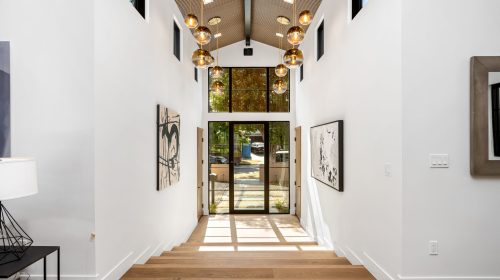
Accent lighting to highlight architectural details can transform overlooked features into eye-catching focal points. Architectural details can easily blend into their surroundings unless something draws the eye. Accent lighting draws attention to architectural details that might otherwise blend into the background. It creates high-contrast focal points that draw attention to textures, shapes, and structural elements. Effective accent lighting is brighter than the surrounding ambient lighting. That contrast can turn ordinary surfaces into noticeable design features.
Use Accent Lighting to Highlight Architectural Details
When a room is evenly lit with nothing but ambient lighting, structural details blend in with the background. Accent lighting forces your eye to pick up on three-dimensional depth, which makes those details stand out.
By placing a light fixture close to a surface, it will cast a narrow, shallow angle of light. This raking light will accentuate irregularities on your wall’s surface. It heightens the tactile appearance of brick, textured plaster, and natural stone.
When fixtures are placed farther back, they distribute light more evenly across a broader area. Washing a wall with light in this way makes a room feel bigger. It also highlights the structural silhouette of the wall instead of its rough texture.
Designers often use a 30-degree lighting angle to balance highlights and shadows. This allows them to control both the highlights and shadows and makes shapes more defined. It also makes structural details easier to see.
Use Light to Guide the Eye
Architectural details help define your home’s character. They add character, but you won’t notice them if they are hiding in the dark. Accent lighting can showcase those features and make them a stronger part of the overall design.
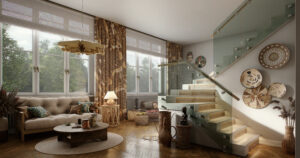
Tuck LED strips into any architectural ledges, coves, or ceiling cavities you have. This bounces light upward. The indirect light can make the room feel brighter and more open. It’s an ideal way to emphasize coffered ceilings, cornices, and crown moldings.
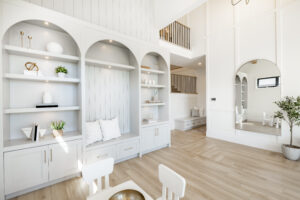
Directional spotlights are helpful, too. Use track systems or adjustable recessed lights to pinpoint stand-alone structures. This approach works well for highlighting stone columns, inset fireplaces, arched entryways, and built-in alcoves.
Don’t Forget Exterior Facades
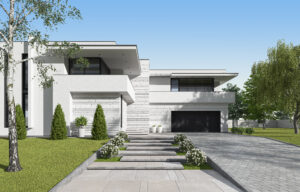
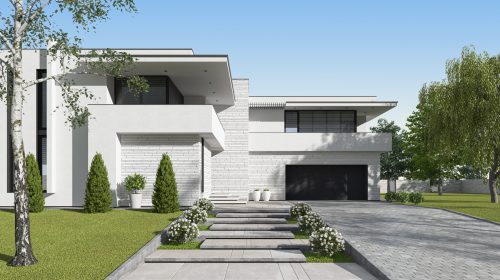
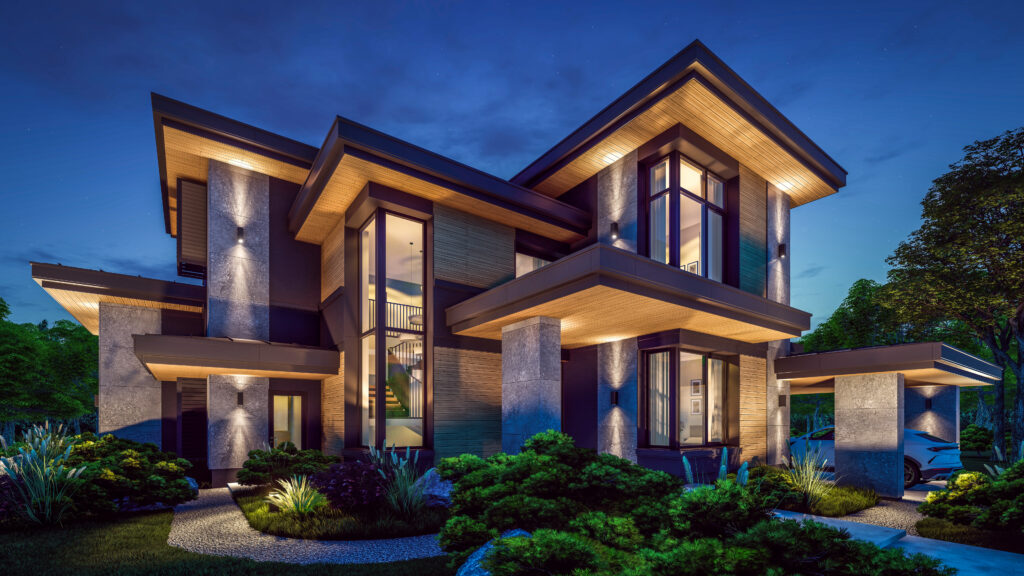
Accent lighting is just as important outside. When outdoor lighting is done properly, it enhances your home’s exterior. Use low-profile, outdoor fixtures to project light upward onto the roofline and columns. After sunset, this approach brings architectural features into focus and emphasizes your home’s exterior geometry.
Don’t stop once your ambient and task lighting are in place. Something as simple as accent lighting can enhance your home and bring attention to features you may otherwise overlook. A lighting expert can help you install the right accent lighting throughout your house. To find a home improvement professional in your area, visit TheHomeMag.com.
Don’t forget to follow us on Facebook or Instagram for more tips on illuminating your home.