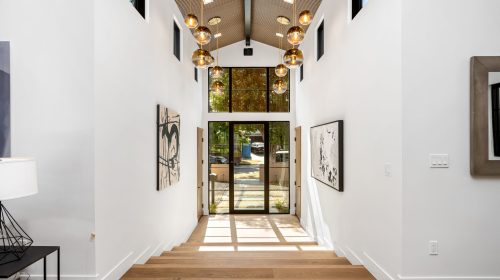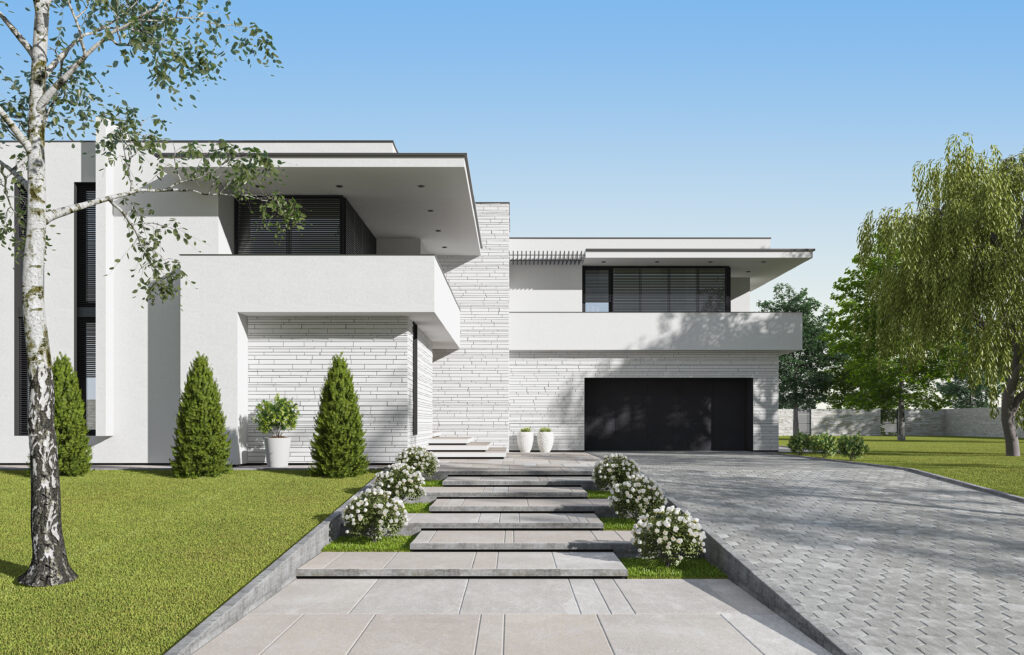
Concrete steps transform your front yard design by guiding visitors to your front door while adding structure and visual interest. The right materials, shapes, finishes, and layout can help create an entryway that complements your home and surrounding landscape. Consider step width, height, and placement to create an entry that feels comfortable, functional, and well suited to your home.
Concrete Steps That Transform Your Front Yard Design
Concrete steps can influence how people move through your front yard. Their size, shape, and placement can make an entryway feel open and inviting or more compact and enclosed.
On a steep grade, a longer run of steps with appropriately sized risers and treads can make the transition more comfortable. In smaller spaces, a more compact layout may work better. Wide steps can also create a more open appearance and provide a clear transition from the walkway to the front door.
The placement of your concrete steps matters, too. Aligning the steps with an existing driveway or walkway can create a natural path toward the entrance. Consistent proportions and spacing can also make the entry feel balanced and intentional.
Link Concrete Steps to Your Landscaping
Concrete edges can have a crisp, structured appearance, but plants and other landscaping elements can soften the transition between the steps and your yard. Low-maintenance shrubs, ground cover, and seasonal flowers can frame the steps while adding color and texture.
Temporary planters placed beside or near the base of the steps offer another way to introduce seasonal color without permanently changing the landscape. Mulch, stone, and gravel can also create a visual transition between concrete and surrounding planting areas.
These details can help create an attractive and cohesive front yard where the steps feel connected to the rest of the landscape.
Improve Visibility and Navigation
Thoughtfully designed concrete steps can improve how people navigate the entry, while appropriate textures, lighting, and handrails can help address visibility and traction.
Textured finishes or products designed to improve slip resistance can provide additional traction, particularly when step surfaces become wet. Before selecting a finish, consider how it will perform in your local weather conditions and how easy it will be to maintain.
Path lighting can make steps easier to see after dark while adding a welcoming glow to the front yard. Depending on the height and design of the steps, handrails can also provide additional support and become an attractive part of the entryway.
Add Architectural Character
Concrete steps can reinforce the architectural style of your home. Clean, geometric steps can complement contemporary designs, while wider or tiered steps can work well with traditional architectural styles.
The shape of the corners, thickness of the edges, and overall layout can all influence the visual character of the entry. Even small design choices can make the steps feel more connected to the home’s exterior.
Material texture can also change the appearance of concrete. Decorative concrete with a smooth or brushed finish can create a clean, understated look. Stamped concrete can introduce patterns and texture, while other decorative finishes can complement the colors and materials already used on your home.
Design Concrete Steps for Every Season
Designing concrete steps with seasonal weather in mind can help them remain functional and attractive throughout the year.
Proper grading and drainage can help direct water away from the home and reduce the chance of pooling around the steps and walkway. Good drainage also matters in areas where freezing temperatures can cause moisture to expand and contract within concrete surfaces.
Your local climate, soil conditions, drainage, and the design of the surrounding landscape can all influence how concrete steps perform over time. Consider these factors when planning a new entryway or updating an existing one.
Concrete steps can do more than connect your front yard to your front door. With thoughtful proportions, landscaping, lighting, finishes, and drainage, they can become an important part of your home’s overall exterior design.
For more front yard and home improvement inspiration, explore TheHomeMag on Instagram and Facebook. When you’re ready to start your project, TheHomeMag.com can help you connect with home improvement professionals in your area.