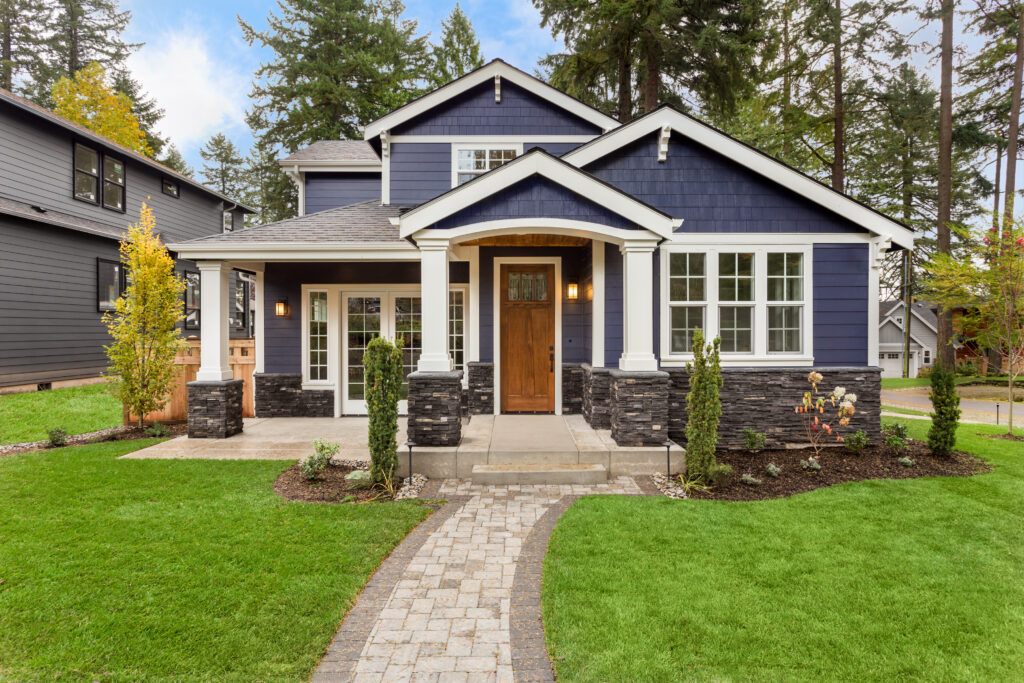
Window trim can elevate your home’s appearance while adding character and definition to your windows. There’s also a simple way to enhance the look and impact of your new windows even further. Updating or customizing your window trim can give your home a more polished and finished appearance. The right trim can frame a beautiful view, highlight architectural features, and help tie together your home’s overall design.
Choose Window Trim That Elevates Your Home’s Appearance
When choosing window trim, consider which style best complements your home’s architecture and overall design. Since the best trim style varies by home, here are a few general guidelines to consider.
If you live in an older or traditional home, wider and more detailed trim may complement its character. If you have a modern home, cleaner lines and simpler profiles can keep the look streamlined while allowing the windows to remain the focus.
Whatever style you choose, maintaining consistency throughout your home will create a more cohesive look. Unless a specific architectural feature calls for something different, using a consistent trim style throughout your home can create a more polished appearance.
Consider Different Window Trim Materials and Finishes
Once you’ve chosen a style, it’s time to consider which trim material is right for your home. Window trim materials can vary based on where the trim will be installed, your budget, and the look you want to achieve.
Wooden trim works especially well with colonial homes, farmhouses, and other traditional styles. If you’re looking for a more budget-friendly option, medium-density fiberboard (MDF) may be worth considering. For exterior applications, PVC may be especially suitable because of its resistance to moisture, rot, and insects.
Mix Beauty With Functionality
Of course, beauty isn’t everything. There are a few practical matters to consider when selecting your window trim as well. Trim’s primary purpose is to cover gaps between your window frames and the surrounding walls. This can help reduce drafts and improve the overall energy efficiency of your windows, potentially contributing to long-term savings.
Trim can also help protect vulnerable window joints from the elements and potentially extend the life of your windows.
Proper installation is just as important as choosing the right trim. When everything has been properly measured and tightly installed, the result is a clean, professional look. Beyond the practical benefits, precise installation also creates clean lines that can make the trim itself look more polished.
The right window trim can elevate the look of your entire home without requiring a major renovation. For more information on window design and other home improvement ideas, follow us on Facebook and Instagram.
To give your windows a fresh new look, visit TheHomeMag.com to find a home improvement professional.