Window placement highlights a house’s architectural style. Indoors, it also affects each room’s functionality, determining how much natural light, privacy, and ventilation you’ll have. With a little careful planning, you can use windows to your advantage in every room of the house. If you’re building a house or replacing your home’s windows, here are some tips to maximize functionality when choosing window size, placement and design.
Living rooms
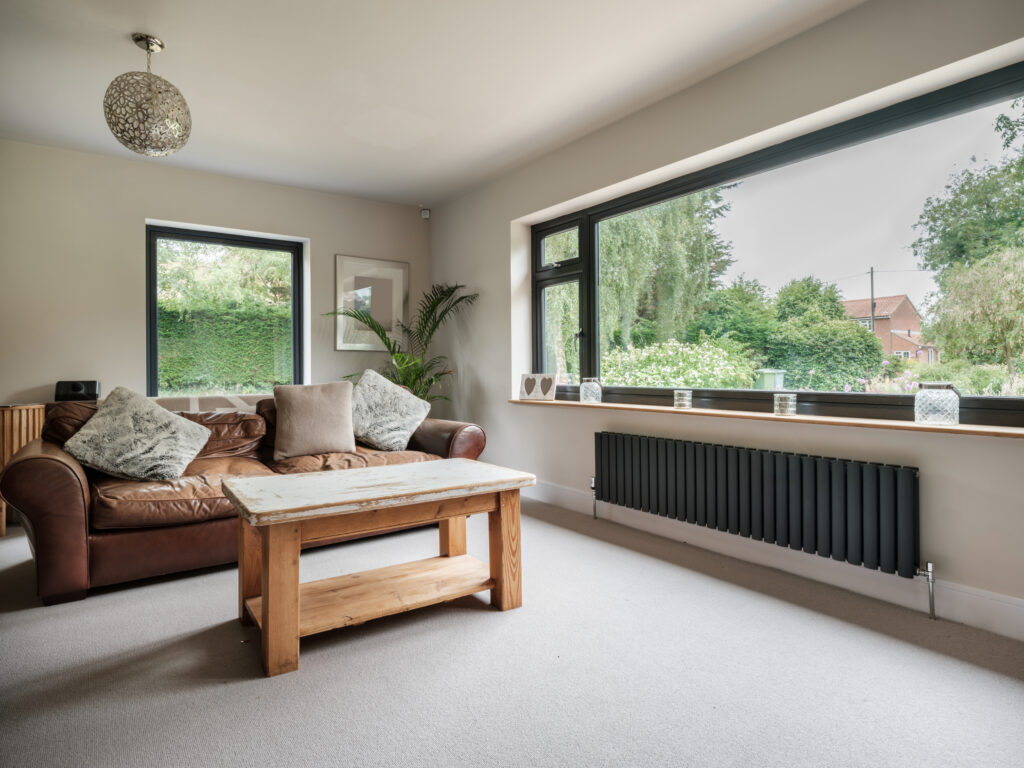
Your living room is both a social space and a place to relax. Because of this, you want to use and place windows in a way that maximizes natural light and showcases the best views from your home. Consider installing a large picture window, a bay window, or a glass wall in a direction that lets you show off your home’s perspective. Windows placed in the best possible direction may fill a room with soft, ambient light. As a result, the room will feel more open and inviting. Well-placed, attractive windows often become a room’s focal point, and they help to connect your interior space with the outdoors.
Bedrooms
The top priorities for bedroom windows are privacy, rest, and safety. Consider installing double-hung windows or small awning windows higher on the wall. This will limit glare and allow for complete darkness with the right window treatments. This leads to more restful sleep. The higher placement keeps outsiders from seeing in while allowing for ventilation.
Kitchens and home offices
Kitchens and home offices are both workspaces that require adequate airflow and bright, direct sunlight to boost energy and promote focus. Casement, sliding, and garden windows all work nicely in these rooms. They maximize airflow over sinks and countertops during meal preparation. They also help to reduce eye strain. In both spaces, you’ll find that thoughtfully placed windows can provide an atmosphere designed to increase alertness and productivity.
Bathrooms
The bathroom is another area with unique needs. Privacy is a must, but you still want good ventilation to reduce moisture. Choose transom windows, which are typically placed above doors or larger windows. You could also use clerestory windows, which are strip-style windows placed near the ceiling. To ensure privacy, use heavily frosted glass for any bathroom windows that are placed lower. All of these window configurations allow plenty of natural light to enter and help moisture escape easily. You’ll be able to prevent mildew without sacrificing your privacy.
Understanding how window configuration affects a room’s functionality will help you determine the perfect placement for each one. Whether you are remodeling or dealing with new construction, you can find licensed local window experts when you visit TheHomeMag marketplace. You can also find many more tips about windows and more when you follow us on Facebook and Instagram.