Creating an outdoor living space requires careful consideration of materials that will best suit your lifestyle, budget, and aesthetic preferences. When it comes to patio surfaces, homeowners face several options, each with distinct advantages and limitations. This patio material comparison will explore four popular choices: manufactured pavers, natural stone, poured concrete, and wood decking. We’ll analyze each option’s visual appeal, longevity, maintenance requirements, and cost considerations to help you make an informed decision for your outdoor sanctuary.
Manufactured Pavers: Versatility and Value
Manufactured concrete pavers have become increasingly popular for patio installations due to their remarkable versatility and reasonable cost. These factory-produced units come in countless shapes, sizes, colors, and textures, allowing homeowners to create unique patterns and designs. When considering a paver vs stone patio, pavers offer more consistent dimensions and colors, making installation more straightforward and predictable. They typically cost less than natural stone while providing excellent durability.
Pavers also offer practical advantages for long-term maintenance. If a section becomes damaged or stained, individual units can be removed and replaced without disturbing the entire surface. Most quality pavers are designed to withstand freeze-thaw cycles, making them suitable for various climates. A properly installed paver patio can last 25-30 years with basic maintenance like occasional cleaning and joint sand replenishment. The initial investment falls in the mid-range of patio materials, typically costing $10-20 per square foot installed, depending on paver quality and installation complexity.
Natural Stone: Timeless Elegance
Natural stone patios exude an organic elegance that manufactured materials simply cannot replicate. Options like flagstone, slate, limestone, and travertine provide unique character with natural variations in color, texture, and patterning. In the paver vs stone patio debate, natural stone offers unmatched authenticity and a connection to nature that resonates with many homeowners seeking a premium outdoor living experience.
The extraordinary beauty of natural stone comes with corresponding considerations. Installation is typically more labor-intensive due to the irregular shapes and thicknesses of the stones, requiring skilled craftsmanship to fit pieces together properly. This complexity contributes to higher installation costs, generally ranging from $20-30 per square foot or more for premium stones. However, this investment delivers exceptional longevity—a well-installed natural stone patio can last for generations with proper care. Maintenance requirements vary by stone type, with some varieties needing periodic sealing to prevent staining and weathering. According to experts at AskHomey, homeowners should research specific stone types carefully, as certain varieties may be more susceptible to scratching, etching from acidic substances, or moss growth in shaded areas.
Poured Concrete: Adaptability and Cost-Effectiveness
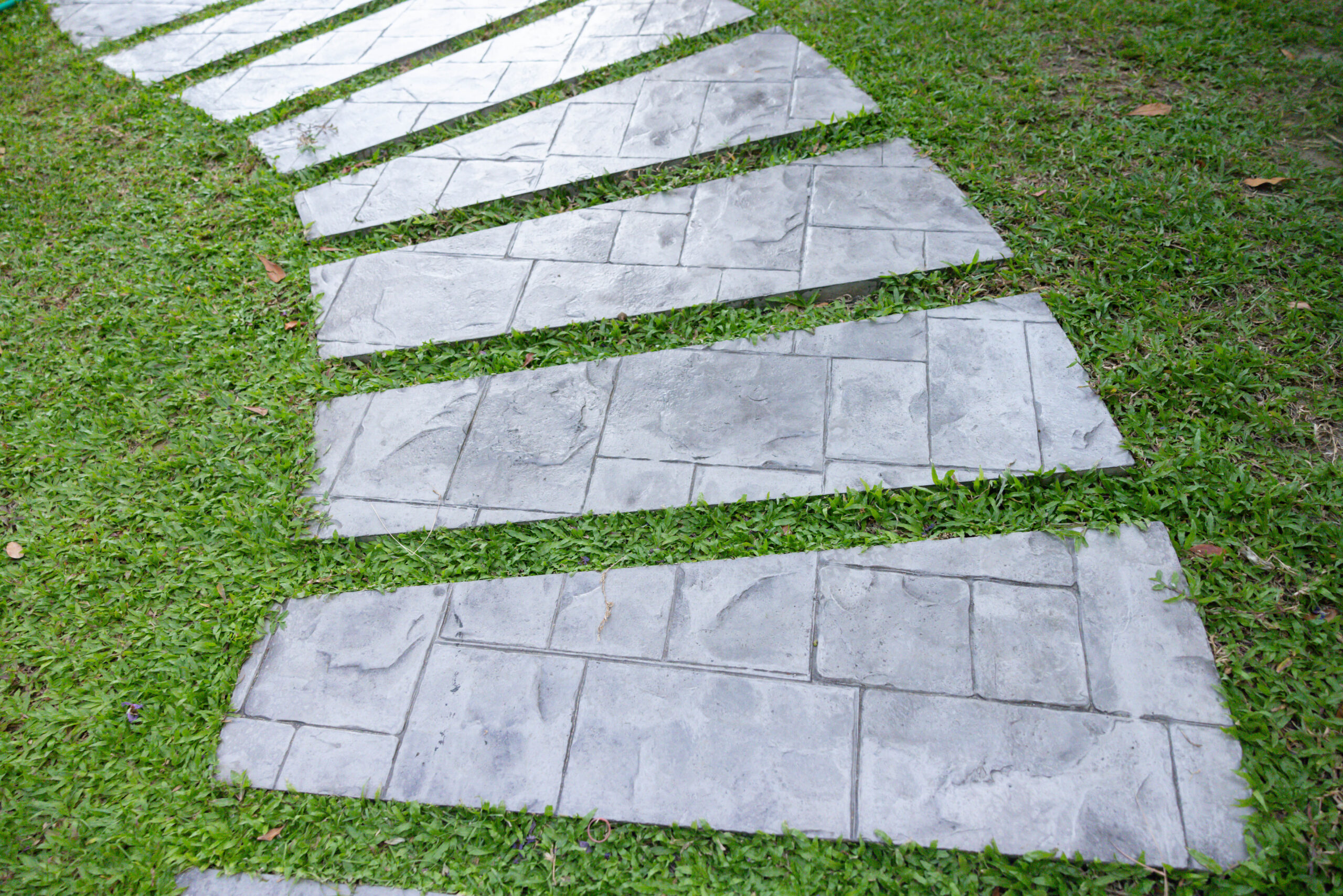
Exploring concrete patio pros cons reveals why this option remains a practical choice for many homeowners. The most significant advantage is its versatility—concrete can be formed to any shape, accommodating complex layouts and irregular spaces. Modern decorative techniques have transformed concrete from utilitarian to artistic, with options including stamping, staining, exposed aggregate, and polished finishes that can mimic more expensive materials.
Cost-effectiveness makes concrete particularly attractive, with basic installations starting around $6-10 per square foot, though decorative finishes can increase this substantially. Concrete provides a solid, stable surface requiring minimal maintenance beyond occasional cleaning and sealing every few years. However, concrete’s vulnerability to cracking represents its primary drawback. Temperature fluctuations, ground movement, and improper installation can all lead to cracks that are difficult to repair invisibly. While concrete patios can last 30+ years, their appearance may deteriorate over time without proper maintenance. For homeowners in regions with severe freeze-thaw cycles, special considerations during installation are essential to prevent damage.
Wood and Composite Decking: Warmth and Elevation
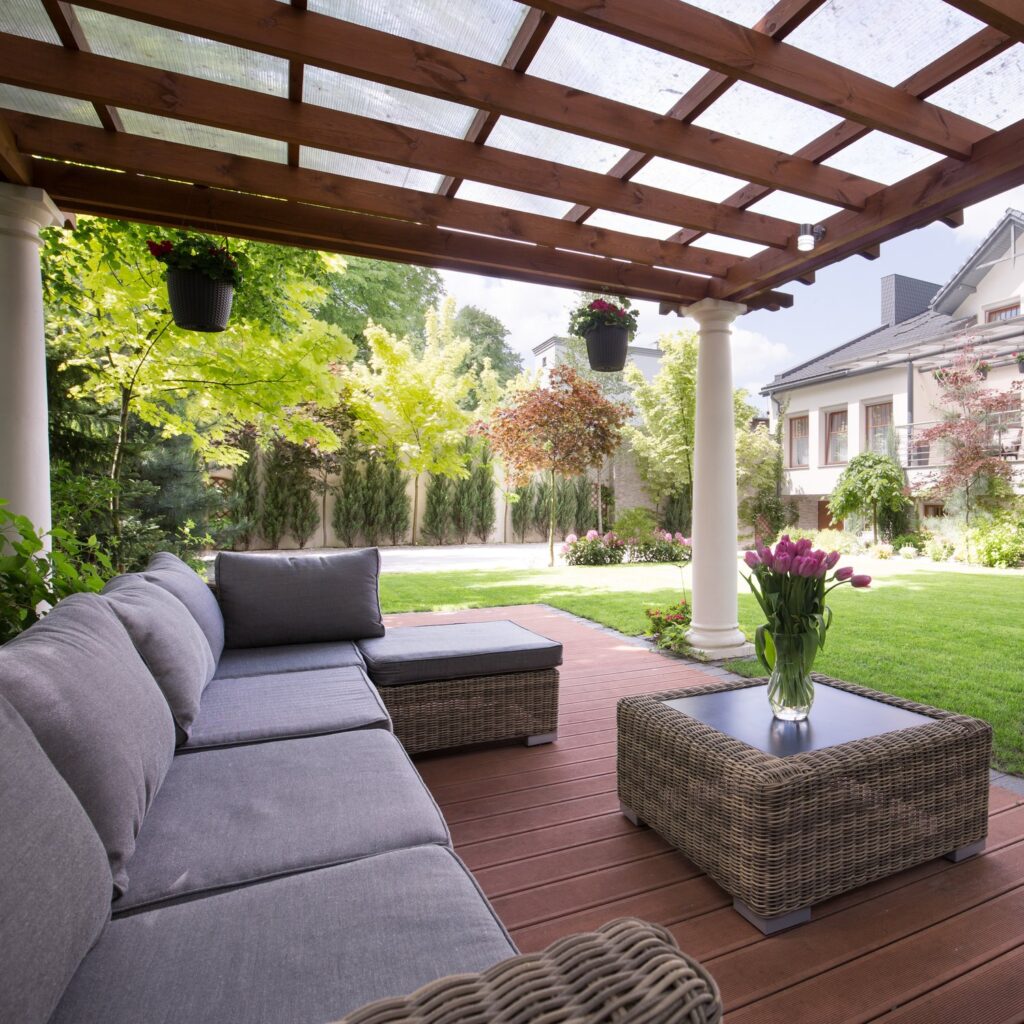
While technically different from ground-level patios, wood decks and their modern wood deck alternatives like composite decking deserve consideration in outdoor living planning. Traditional wood decking offers natural warmth, comfort underfoot, and adaptability to sloped terrain where other patio materials would require extensive grading. Cedar, redwood, and pressure-treated pine represent common choices, each with different price points and durability characteristics.
Composite decking has emerged as one of the most popular wood deck alternatives, combining recycled wood fibers with plastic polymers to create highly durable, low-maintenance boards. These engineered products resist rot, insects, and weathering while requiring only periodic cleaning rather than the staining and sealing demanded by natural wood. The initial investment for composite decking ranges from $20-40 per square foot installed, placing it among the more expensive options. However, many homeowners find the reduced maintenance and extended lifespan (often 25-30 years) justify the higher upfront cost compared to natural wood, which typically requires replacement after 15-20 years.
Making Your Selection
The ideal patio material ultimately depends on your specific circumstances, including budget constraints, aesthetic preferences, climate considerations, and maintenance willingness. Many successful outdoor spaces incorporate multiple materials—perhaps a natural stone or paver patio combined with a composite deck at a different elevation, creating visual interest and functional zones for different activities.
For more tips and to connect with reliable home service professionals, follow AskHomey on Facebook and Instagram.