With Earth Day right around the corner, you may be thinking about how to reduce your carbon footprint. A surefire way to do so is within your home, the place where that footprint materializes most profoundly. While there is a litany of obvious ways to upgrade your home in the name of Earth Day, there are others that fly under the radar.
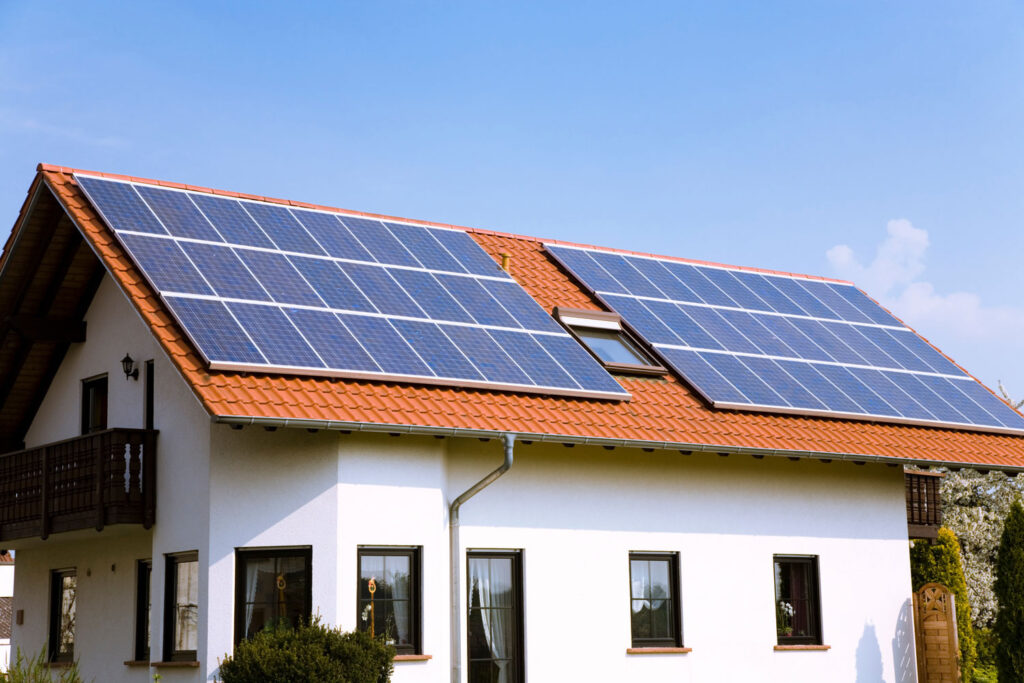
Install solar panels to generate natural energy
While residential solar panels got their start as early as the ‘70s, they came to the forefront of homeownership with a bang recently. Today, homeowners are installing solar panels at a high rate because their benefits are innumerable. Here are just a few of the many reasons to consider installing solar panels:
- Reduced energy bills
- Reduced dependence on fossil fuels
- Provide sustainable and renewable energy
- Low maintenance
- Reduced carbon emissions
Upgrade your windows to reduce energy consumption
There’s no bigger strain on your energy usage than old rickety windows. By upgrading to energy-efficient windows, you can reduce energy consumption and lower your bills. Eco-friendly windows can do things such as reflect heat inside during colder months and reflect it away during summer months to maintain a cooler climate. Insulated windows are great because they reduce heat loss and lower energy costs while a good solar window can even help you generate energy.
Install energy-efficient appliances
Old, outdated appliances can negatively affect your carbon footprint. Eco-friendly appliances, specifically ones with the ENERGY STAR rating, have the following benefits:
- Reduced energy consumption leads to lower energy bills
- Comprise sustainable materials, reducing environmental impact
- Reduced emissions that help combat climate change
- Designed to last longer, thereby reducing frequent replacements
- Lead to healthier air quality by reducing the emission of pollutants and toxins
- Conserve natural resources for future generations
Harvest rainwater
An often-overlooked home upgrade that improves your home’s eco-friendliness is harvesting rainwater. Consider installing a rainwater collection system to accumulate water instead of letting it run off and go to waste. Rainwater is a free natural resource that can be used to water plants, irrigate your lawn, fill a pool, clean, bathe, and, if filtered properly, drink. Don’t sleep on rainwater as a free natural resource.
Install eco-friendly flooring
Eco-friendly flooring is made from sustainable materials like bamboo, cork, and reclaimed wood. As a result, choosing these floor types reduces your environmental impact. These materials are nontoxic so they inherently elevate your indoor air quality. What’s more, eco-friendly flooring is typically durable and easy to maintain. So, they’ll save you money on replacements and cleaning products. Eco-friendly href=”https://www.thehomemag.com/inspire/budget-friendly-flooring-ideas-for-a-clean-look” target=”_blank”>floors contribute to a healthier home and a greener planet.
Follow us on social media
Give us a follow on Facebook and Instagram. We’ll give you access to amazing home inspiration and the top professionals in your area to complete your toughest jobs.