With the world as crazy as it often is, wouldn’t it be just the thing to find a room, or even part of one, where you can retreat to be still and peaceful? Even if you’ve given up the habit of doomscrolling, it’s still a good idea to take a break from life’s normal, everyday stresses by retreating now and then to meditate or pay attention to your breaths as you inhale and exhale.
You can create such a tranquil space without adding a room. It can be a corner, an alcove, an unused walk-in closet or that place beneath the stairs that you don’t know what to do with. A lovely Zen meditation area doesn’t even have to cost much. Here are some ideas.
Bring in natural light
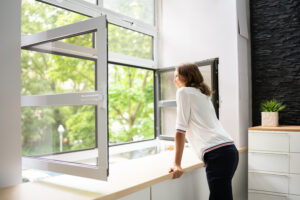
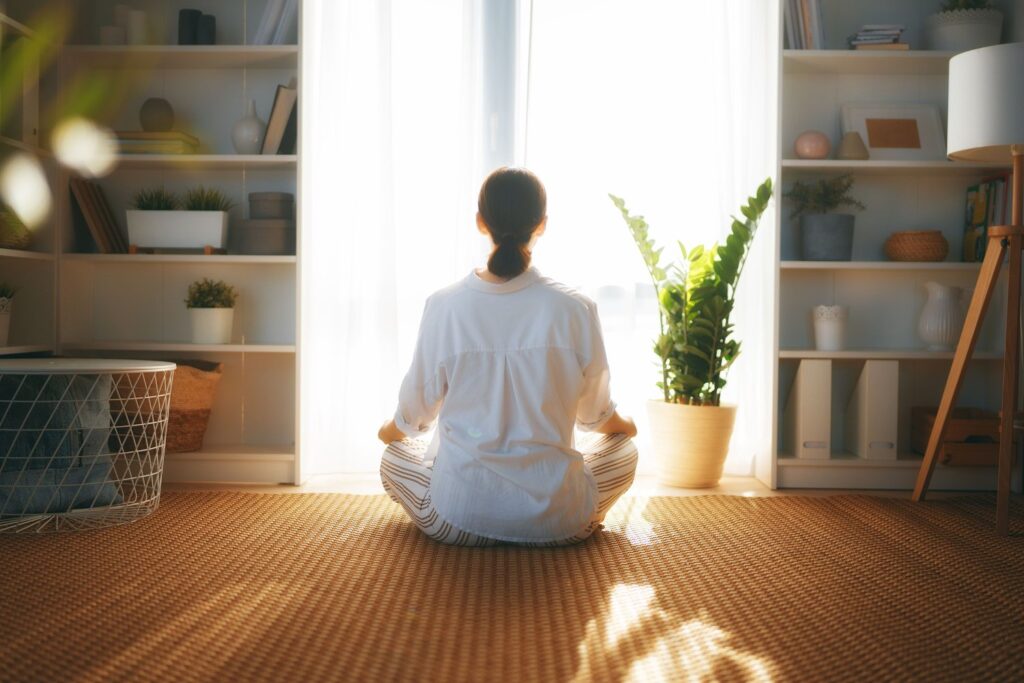
Though not all meditation spaces have access to natural light, the calming benefits of sunlight and fresh air are many. That’s why it’s a good idea to set up your meditation area near a window, especially one you can open to allow in fresh air.
Look to Hygge for meditation areas, too
Hygge is a Danish term that refers to all things warm and cozy. This can mean an overstuffed chair or ottoman, fuzzy throw pillows, blankets fringed with pom poms, fairy lights strung across the room, or an assortment of pillar candles. When it comes to a Zen meditation spot in your home, it’s the perfect blend of East and West.
Keep the decor spare and simple
You don’t want distractions when you go to your meditation space. That means it’s best to keep the furnishings minimalist and free of electronics. For some people, all that’s needed is a tatami mat, a stool, a potted plant, a quiet indoor fountain, and a bright window.
Build a meditation room
If you’re fortunate enough to have the budget, you can build a place to meditate in. This can be an addition to your home or a building tucked into a corner of your garden. You can add elements that call to mind a Japanese garden to add an authentic Zen touch. These are bamboo or ostrich fern plants, artfully arranged boulders on raked sand, stone lanterns, and water basins known as tsukubai. For more information on constructing a meditation space, get in touch with the professionals at AskHomey.com.
Use gentle colors
Because you don’t want too many distractions and wish to be comfortable as you meditate, use colors that bring a sense of calm to the space. These are often soft, neutral colors that remind you of stones and sand. Pastel shades of blue and green are also soothing.
For more information on how to design your own meditation area, look us up on Instagram and Facebook.