When temperatures drop, keeping your home warm without facing high energy bills becomes a major priority. One of the most effective ways to achieve this is by improving your home’s insulation. While DIY insulation projects can help, hiring a professional ensures your home is optimized for maximum energy efficiency, saving you money in the long run.
Why Proper Insulation Matters
Heat naturally flows from warmer areas to cooler ones, meaning your home constantly loses heat during winter. Without effective insulation, your heating system works overtime, leading to higher energy bills and unnecessary wear and tear on HVAC units. Proper insulation slows this heat transfer, keeping warmth inside longer and reducing energy consumption.
The Value of a Home Energy Audit
Professional contractors often begin with a home energy audit, which identifies where your home loses the most energy. Using advanced tools like thermal imaging cameras, they can detect heat leaks around windows, doors, attics, and basements. This process highlights problem areas and helps contractors recommend targeted solutions.
Types of Insulation Contractors Use
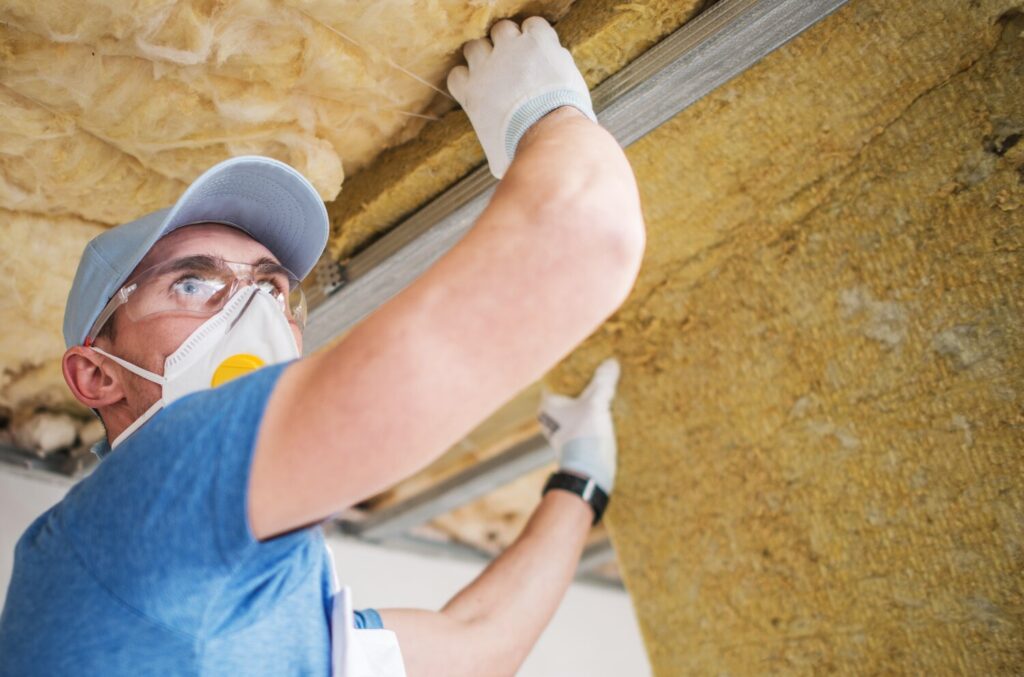
Different parts of your home require different insulation types. Contractors have access to a variety of materials that fit specific needs:
- Spray Foam: Expands to fill gaps and seals air leaks, ideal for attics and crawl spaces.
- Blown-In Cellulose: Great for retrofitting older homes without major renovations.
- Rigid Foam Boards: Durable and moisture-resistant, commonly used in basements and exterior walls.
By choosing the right materials, contractors improve energy efficiency while maintaining structural integrity.
Sealing Air Leaks for Maximum Efficiency
Insulation alone isn’t enough if your home has gaps where cold air can enter. Contractors seal common leak points using caulk, weatherstripping, and expanding foam. This air-sealing process complements insulation, ensuring that warm air stays inside while drafts are kept out.
The Long-Term Benefits of Professional Insulation
Though it requires an upfront investment, professional insulation pays off over time through:
- Lower Energy Bills: Homeowners often see up to 30% savings.
- Improved Indoor Comfort: Fewer drafts and more consistent temperatures.
- Increased Home Value: Energy-efficient upgrades appeal to future buyers.
- Reduced Carbon Footprint: Less energy use benefits the environment.
When to Call a Pro
DIY insulation can help in small areas, but larger projects require a professional touch. Improper installation can lead to air leaks, moisture issues, or even structural problems. Certified contractors understand local building codes, use advanced tools, and know how to select the right materials for your home’s specific needs.
Finding the Right Contractor
Hiring an experienced contractor ensures a thorough, efficient job. Professionals can recommend cost-effective solutions tailored to your home and budget.
Ready to improve your home’s energy efficiency? Visit AskHomey.com to connect with trusted contractors near you.
For more tips and seasonal ideas, follow us on Instagram and Facebook.