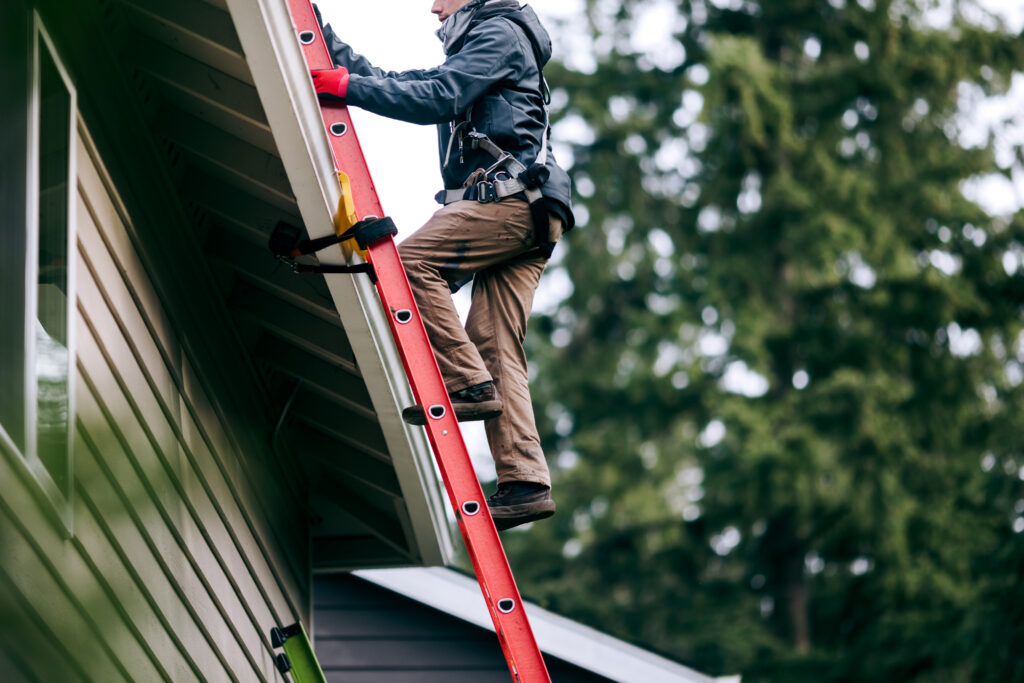
To prepare your roof for changing weather conditions, focus on regular inspections, gutter maintenance, professional care, and proper attic ventilation. As weather conditions change throughout the year, your roof is exposed to different types of stress. Heat, rain, snow, wind, and significant temperature changes can all affect roofing materials.
If damage or maintenance issues go unaddressed, they can become more extensive over time. Fortunately, regular maintenance can help you identify potential problems and keep your roof in better condition throughout the year.
Inspect Your Roof and Address Problems Early
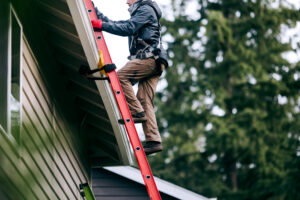
To prepare your roof for changing weather conditions, inspect it for existing damage before periods of severe weather arrive. Pay close attention to areas around vents, chimneys, flashing, and other places where moisture could potentially enter.
You should also check your attic for water stains, damp insulation, or other signs of moisture. Some roofing problems may not be visible from the exterior, so inspecting the attic can provide another opportunity to identify potential issues.
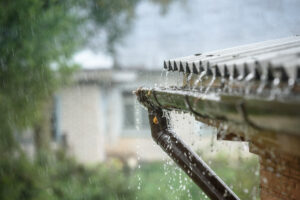
Look for cracked, curled, missing, or otherwise damaged shingles. Don’t forget about your gutters and downspouts, either. Leaves, twigs, and other debris can accumulate in the system and interfere with proper water drainage.
Consider inspecting your roof, gutters, and downspouts regularly, including before periods of severe weather. Regular maintenance can help you identify issues before severe weather puts additional stress on the roof.
Schedule Professional Roofing Maintenance
Regular professional inspections and maintenance can also help keep your roof in good condition. During an inspection, a roofing professional can look for signs of deterioration, examine flashing and seals, and determine whether specific areas need repair or replacement.
Some roofing issues may be difficult to identify without the proper experience or equipment. Depending on the roof’s age, materials, condition, and local climate, a professional roofing inspection may be appropriate on a regular basis.
Professional roofing maintenance can also help you understand the maintenance needs of your specific roofing material.
Nearby trees and overhanging branches can also create a risk of roof damage. Dead or loose branches can break during strong winds and potentially fall onto the roof. Have trees near your home evaluated and trimmed as needed to help keep branches away from the roof.
Prepare Your Roof for Heat and Cold
Extreme heat and severe cold can both affect roofing materials and should be considered as part of seasonal roof maintenance.
Over time, high temperatures and intense sunlight can contribute to wear on some roofing materials. Significant temperature changes can also cause some roofing materials to expand and contract over time, which may contribute to wear.
Proper attic ventilation can help manage heat and moisture in the attic. A roofing professional can evaluate your attic ventilation and determine whether improvements may be appropriate for your home.
Cold weather presents its own set of challenges. In homes with insufficient insulation or ventilation, uneven snow and ice melting can contribute to the formation of ice dams. Ice dams can allow water to back up beneath roofing materials and contribute to moisture damage.
Preparing for winter weather by addressing insulation, ventilation, gutters, and existing roof issues can help reduce potential problems when temperatures drop.
Keep Your Roof Ready for Changing Weather
Weather conditions can change throughout the year, but regular maintenance can help you stay ahead of potential roofing problems. Inspecting your roof, keeping gutters clear, managing nearby trees, and scheduling professional maintenance are all practical ways to help protect your home.
When you’re ready to prepare your roof for changing weather conditions, TheHomeMag.com can help you connect with home improvement professionals in your area.
Follow TheHomeMag on Facebook and Instagram for more roofing and home improvement tips.