Your home is a place of peace and comfort. When the elements change, you want to make sure it’s protected from outside damage. One of the easiest ways to accomplish this is with the right insulation.
For a while, many homes were insulated with fiberglass. However, risks attributed to this material convinced property owners to find an alternative.
If you’re new to insulating your property, consider using an eco-friendly option. Here are eight materials worth trying.
1. Cotton and denim
Cotton and denim are often used as insulation because they naturally repel insects. It’s also easy on the respiratory system.
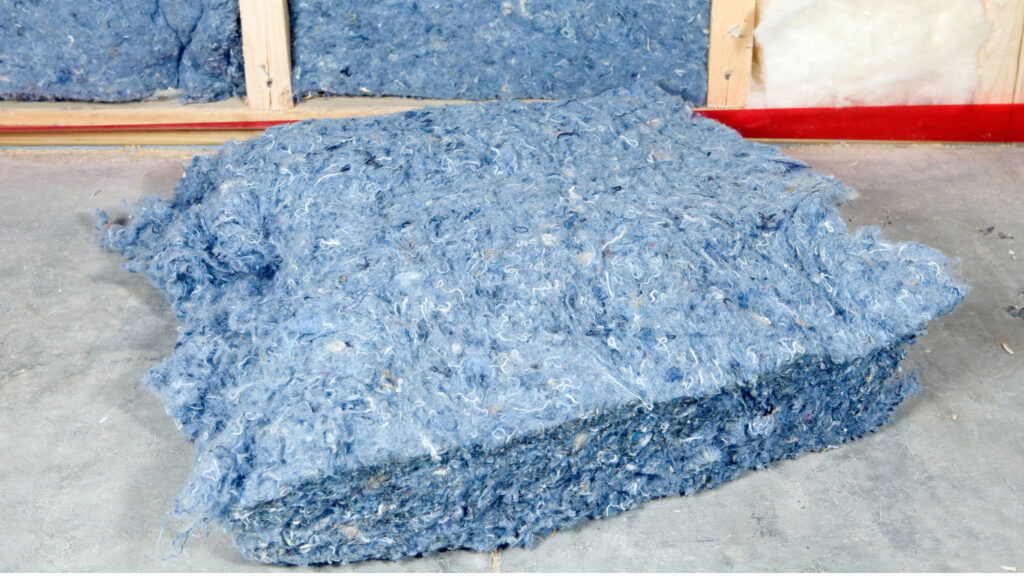
Recycled denim is shredded and combined with cotton treated with borate to make the insulation non flammable. Keep in mind that this option can get pricey depending on how much space you have to insulate.
2. Sheep’s wool
Sheep’s wool is great for both heating and cooling. The breathable pockets within the wool minimize the absorption of liquid, while the outer layer resists water. This material can reduce your house’s vulnerability to moisture and your need to adjust your thermostat when the weather changes. By doing so, it helps you cut energy costs.
3. Cork
Looking for thermal insulation? Cork is a great material for you. Its airy texture is beneficial for both hot and cold temperatures. It’s also an effective noise cancellation mechanism.
4. Cellulose
If pests are invading your home, insulation is a great way to eliminate their access. Insulation materials such as cellulose are treated with repellents like boric acid. The experts at Ace Handyman Services can inspect your home and assess its vulnerability.
5. Hemp
Want to weather seasonal temperature changes? Using hemp to insulate your home is a cost-effective way to minimize heat loss in cooler months while keeping heat out in summer. Another benefit of using hemp is its mold resistance, which makes it a great, nontoxic option.
6. Straw bale
Similar to sheep’s wool, straw bale has ring air pockets that make it an excellent breathable insulation choice.
7. Wood fiber
While wood fiber’s up-front costs may be higher, you’ll get several benefits in return. It acts as a barrier against extreme weather and noise. It doesn’t trigger an allergic response. Finally, it helps adequately balance air humidity.
8. Recycled insulation
Recycled insulation, commonly manufactured from used materials like plastic bottles, makes a great sustainable material. The effectiveness you get for the cost also makes it a front-runner for many property owners.
Insulating your home with an environmentally friendly material has a twofold benefit. Using any of these materials will meet your property’s needs in a sustainable way. Don’t know where to start? You can always hire a professional to help you decide.
Want more information on property upgrades? Find home improvement advice like this by following TheHomeMag on Facebook and Instagram.