An older roof has experienced many years of sun, rain, wind, and seasonal temperature swings that all leave their mark. The good news is that most weak points give you warning signs before they turn into serious problems that require roof repairs. Knowing what to look for makes it much easier to stay ahead of any damage.
Start with the shingles
Shingles are your roof’s first line of defense, and they’re also one of the easiest things to inspect from the ground.
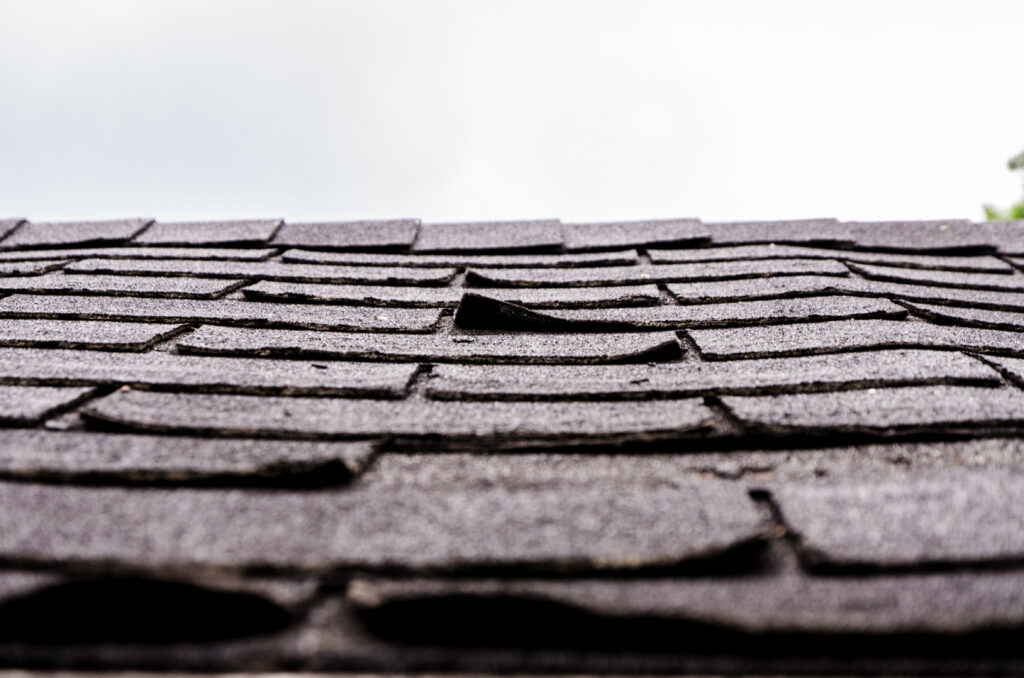
Watch for these common signs of shingle wear:
- Curling or cupping along the edges
- Cracked or broken shingles
- Bald patches where granules have worn away
- Missing shingles that leave the underlayment exposed
- Dark streaking or discoloration that suggests moisture or algae
Keep in mind that granule loss is worth special attention on older roofs. When shingles start shedding their protective coating, they lose their ability to deflect heat and repel water. You’ll often notice granules collecting in your gutters or at the base of your downspouts.
Check the flashing
Flashing is the metal material installed around chimneys, skylights, vents, and roof valleys. It seals the joints where water is most likely to work its way in. On an older roof, flashing is one of the first places to develop problems.
Look for rust, visible gaps, or areas where the flashing has pulled away from the surface. Even a small separation can allow water to travel into the roof deck and attic below. Flashing failures are a leading cause of leaks in aging roofing systems, and they’re easy to overlook during a casual inspection.
Look at the roof from the inside
Your attic can tell you a lot about the condition of your roof. On a sunny day, look for light coming through the decking above. If daylight is visible, water can enter, too.
Check the decking and rafters for soft spots, staining, or dark discoloration. These are signs that moisture has been present, possibly for some time. Proper airflow through the attic also plays a big role in how long roofing materials last. When ventilation is insufficient, heat and humidity build up and accelerate wear from the inside out.
Pay attention to the gutters and edges
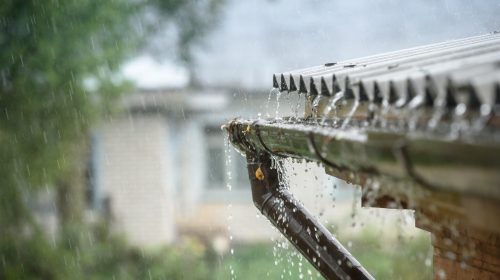
Gutters that are pulling away from the fascia board, sagging, or showing signs of rust can signal water backup issues that affect the roof edge over time. Ice dams in colder climates often form along these lower edges and can force water under shingles. Keep your gutters clean and your roof edges clear through every season to protect an older system.
When to bring in a professional
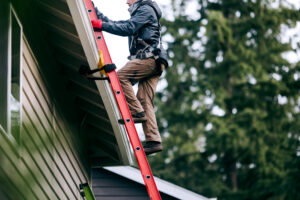
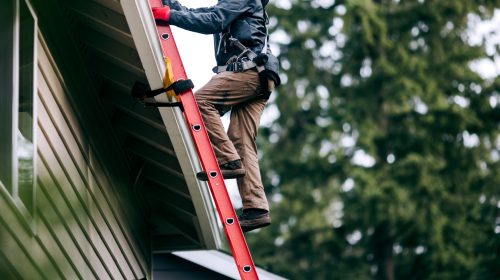
Visual inspections are valuable, but they only go so far. A roofing professional can safely access areas that are hard to see from the ground, assess the condition of the decking and underlayment, and give you a realistic picture of how much life your roof has left.
If your roof is 20 years or older, a professional evaluation is a smart investment. We can help you connect with a trusted local expert. You can also follow us on Instagram for more home improvement tips and resources delivered right to your feed.