Many homeowners are considering solar energy for their home’s electrical needs, and there are many good reasons to do it. Some are practical, like rising fuel prices or rolling blackouts. Disaster preparedness buffs may turn to solar energy to live off the grid. Solar panels can withstand hurricane-force winds and provide power even when lines are down and transformers are blown.
Other homeowners may want solar for ethical reasons. The environmental effects of fossil fuels worry many consumers. Ethical dilemmas also abound when buying fossil fuels from undemocratic regimes around the world. Solar power is a green alternative.
However you look at it, solar energy is an attractive option. There are many conditions to be factored into the decision to go solar, but it offers many advantages. A company like Solar Advantage can help you learn more about the benefits and walk you through your options.
How it works
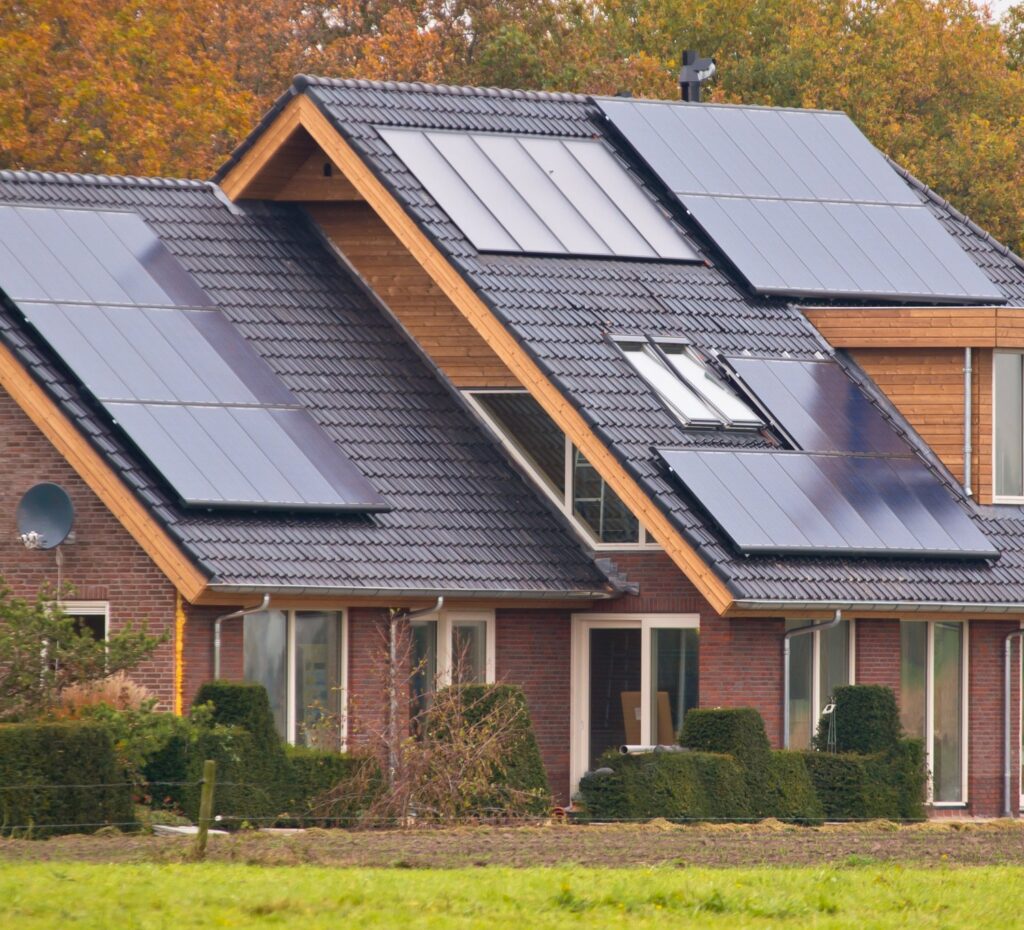
Solar panels work by turning sunlight into energy when it hits the photovoltaic cells of a solar panel. This energy can be used to power your house or stored for later in a battery array. It’s even possible to sell unused energy back to the utility company in some cases.
Of course, there are a few disadvantages to solar power systems. There are costs to installing one, its component materials aren’t always eco-friendly, and depending on local conditions, it may take years for the system to pay for itself. Careful planning is needed to make solar work for you.
Do the math
Start with a home energy audit. It will give you a report of your power consumption and suggestions to reduce it. This is important because increasing efficiency and reducing consumption may let you install a smaller solar array.
Once you know your home’s power consumption, you can calculate the size of the solar power system you’ll need. Some systems will pay for themselves faster than others. Your home’s particular circumstances will affect the calculations.
Think locally
In order to predict the efficiency of your solar panels, you may need to consider the orientation of your house, any existing tree canopy, and the overall sun exposure at your latitude.
You may have to tackle some man-made obstacles to solar installation. Some historic preservation districts restrict where on your roof you can place your solar panels. Homeowner’s associations may also have restrictions on the placement of panels and battery arrays. It’s important to know these restrictions beforehand.
On the plus side, there is currently a 30% federal tax credit for new solar systems. Many states also offer incentives for switching to solar. Depending on where you live, you could get multiple incentives.
Soak up the sun
Solar energy is a great option for many reasons, not all of them financial. It represents a major investment with good returns and some intangible benefits. It’s worth doing a bit of research and number crunching to realize savings and clean, reliable energy.
For more tips on your home’s electrical system, follow TheHomeMag on Facebook and Instagram.