Lighting is an important part of your home, adding to comfort, functionality, and aesthetics. When selecting new bulbs for your fixtures, consider the hue you choose. If you want to experiment, there are several types of adjustable light bulbs on the market. You can choose between several different color spectrums by flipping a switch on the bulb before installation. An important distinction is the difference between warm and cool bulbs. Each lighting temperature creates a very different mood. There are key considerations when choosing warm- or cool-tone lighting for your home.
The basics of color temperature
Light bulbs typically include a label indicating color temperature, measured in Kelvin (K). Cool light bulbs typically have a color temperature between 4000K and 5000K. Warm light bulbs typically have a color temperature of 2700K to 3000K.
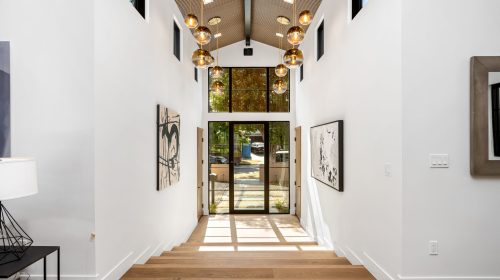
Temperature color refers to the undertone of light. Warm bulbs create a warm atmosphere due to their yellow glow. Cool bulbs are a brighter and crisper white. If you’re looking to mimic daylight, cool light with blue undertones is a good choice. Consider color temperature as part of your next home upgrade.
The benefits of warm light
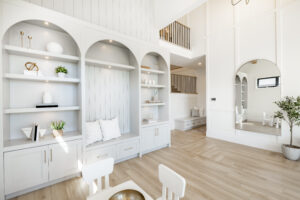
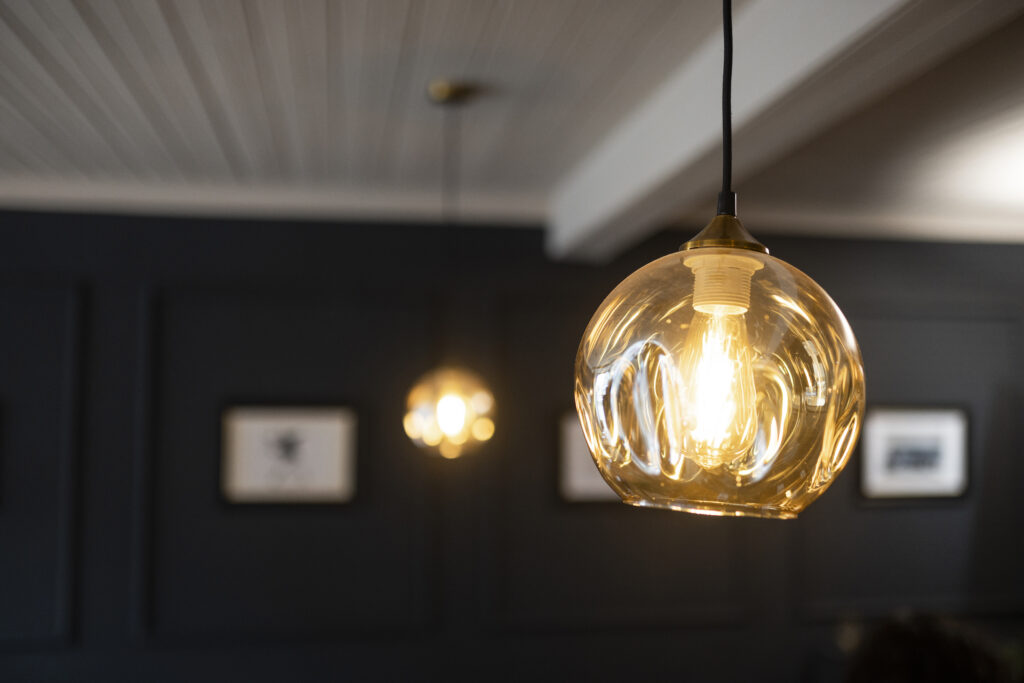
Warm light is essential for creating a cozy, relaxing environment. It can help soften shadows and create ambiance. Most homeowners use warm light in living rooms, bedrooms, and dining rooms. These are spaces that don’t require high visibility, so brightness isn’t a concern.
You should also consider the color palette of the decor in your home. Warm light bulbs complement many earth tones in the walls, furniture, and décor. This includes shades of cream, brown, tan, and green.
The benefits of cool light
Cool lighting can enhance a room’s visibility and alertness with its crisp, energizing hue. It’s ideal for areas of your home where you work or perform detailed tasks, such as home offices, workshops, bathrooms, and kitchens. Expect clean lines when using cool lighting.
If you have a modern or minimalist décor in your home, cool lighting works well. Interior colors that benefit from cool lights include blues, grays, and whites. Bold colors will look brighter with cool light.
Mixing warm and cool lights
You’re not required to use only warm or cool light bulbs throughout your home. However, experts recommend using a single bulb type throughout the area for consistency. Mixing color temperatures in a single room can make the room feel a bit ‘off’ or disjointed.
Choosing the right light bulbs for your home is simple when you consider the basics: warm versus cool. For more lighting tips and trends, follow us on Facebook and Instagram. You can also reach out to a knowledgeable professional in your area to learn more about home lighting basics.