The basement is an integral part of a house that keeps the structure stable and safe. Basements create extra storage spaces and livable rooms. One major thing to take care of when constructing a basement is the issue of water seepage. Your constructor should adequately waterproof the basement to protect it from excessive water that can compromise the house’s structural integrity. Also, replace the waterproofing material after some time, especially if you live in a rainy area prone to flooding. Here are signs that you need to consider basement waterproofing services.
1. Water puddles in the basement
If you notice standing water in your basement, it could be due to water seepage from the outside, pipe leak, or condensation from uninsulated appliances. This could result in flooding when ignored. Look for professionals like The Basement Doctor of Cincinnati to refurbish and fix your water-soaked basement.
2. Stains on the basement walls and floor
Pay attention to chalky stains on the basement floors and walls. As water evaporates, it tends to leave behind a white coating of minerals, especially on concrete surfaces. Water stains on the floor indicate moisture seepage up through the foundation, which can be dangerous, so seek waterproofing service immediately.
3. Molds growth
The presence of molds and mildew is a clear sign of moisture accumulation in the basement. Look for black, green, or white stains on the walls, carpeting, floor, and furniture. Sometimes molds can grow in invisible areas like inside the walls. The easiest way to identify a mold problem is by the smell. Take immediate action if the air in your basement has a musty, damp smell. Prolonged exposure to molds can cause respiratory problems and fungal infections. Call a professional to clean and waterproof the basement to avoid such issues.
4. Warped doors
Wood quickly absorbs water and swells up. If your wooden basement doors appear bent and hard to open, this signifies a moisture problem, so call a professional to fix the issue.
5. Pests infestation
Too many insects, especially in the basement, indicate pooling water. Insects thrive in dark, damp areas and can cause many health and safety issues. Luckily, waterproofing the basement can help guard your home against these unwanted bugs.
6. Bowed walls
The soil surrounding your basement dramatically affects the house’s integrity. Soil tends to absorb moisture and swell in the rainy season and then contract in the hot months. This can put pressure on the basement wall, pushing them inward. If you spot bulged walls, call for professional help immediately since this can severely compromise the entire foundation.
7. Cracked peeled walls and floor
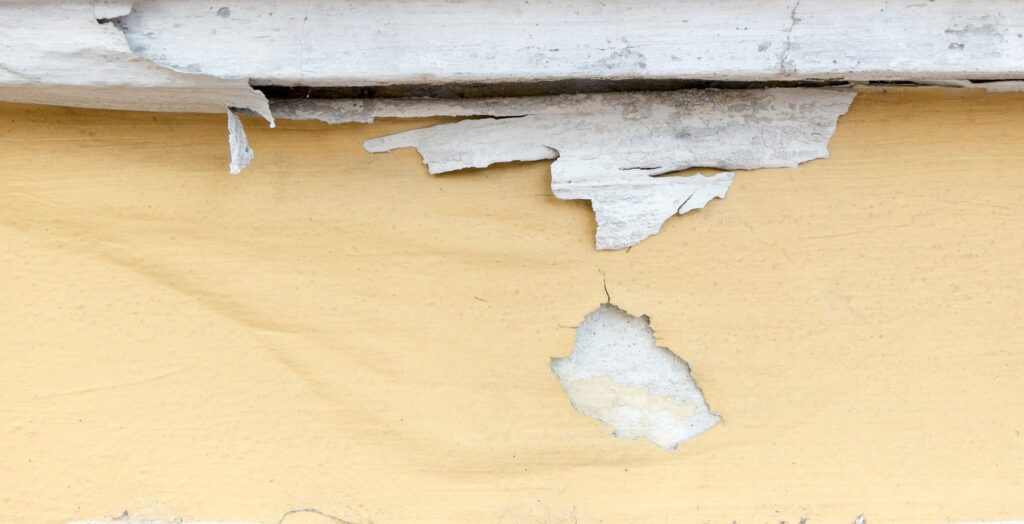
Excess moisture on your basement walls weakens the paint adhesion causing it to peel off. If you neglect bowed walls, you will likely end up with cracks. You will save a significant amount by fixing the small cracks early enough. This will also prevent more water seepage and protect your house’s structural integrity.
Basement waterproofing creates a healthier environment and prevents water seepage, flooding, and structural damage. Follow TheHomeMag on Facebook and Instagram to learn more about basement waterproofing.