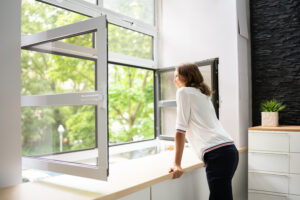
The difference between sliding and traditional windows is simple. Sliding windows open vertically by sliding a pane horizontally. These windows can have one, two or three panes that slide over each other. More traditional windows such as single- or double-hung windows have panes that open and close the window by being pushed up or down. All of these windows are popular choices for homes, and indeed double-hung windows have been popular choices for over two centuries. How can you choose between traditional and sliding windows?
Sliding vs. traditional windows
Basically, sliding and traditional double-hung windows are fairly comparable when it comes to cost, though sliding windows may be a bit less expensive. Both can be fitted with panes coated with low emissivity coating. Both can come with double panes filled with inert gas or have warm-edge seals that make them very energy efficient. The windowpanes can also be placed in the same type of frame whether they’re metal, fiberglass, PVC vinyl, wood or some other material. Both types of windows are easy to open and close.
Sliding windowpanes may be a little easier to clean, especially those that tilt in. However, double-hung sash windows are a better fit for window air conditioners.
The drawbacks of sliding vs. traditional windows
Though they can be made energy efficient, sliding windows may not be as energy efficient as double-hung windows because the places where the sliding parts meet aren’t airtight. This means that air can get through and let a draft into the house. One way to make a sliding window more efficient is to install a triple-glazed window.
The door of many shower stalls is basically a sliding window, and if you have one of these doors, you know that the sliding track can get filthy. This is also true of a regular sliding window. Though the glass is easy to clean, the track might be difficult to keep tidy, especially if the window doesn’t tilt.
Sliding windows, like double-hung windows, can also be screened, but the screen must be installed outside of the frame. Though it’s easy to install a screen to a sliding window, their position makes them especially vulnerable to dirt and damage. It’s important to bring them inside the house and store them if you live in a place with hard winters.
Where’s the best place to put a sliding window
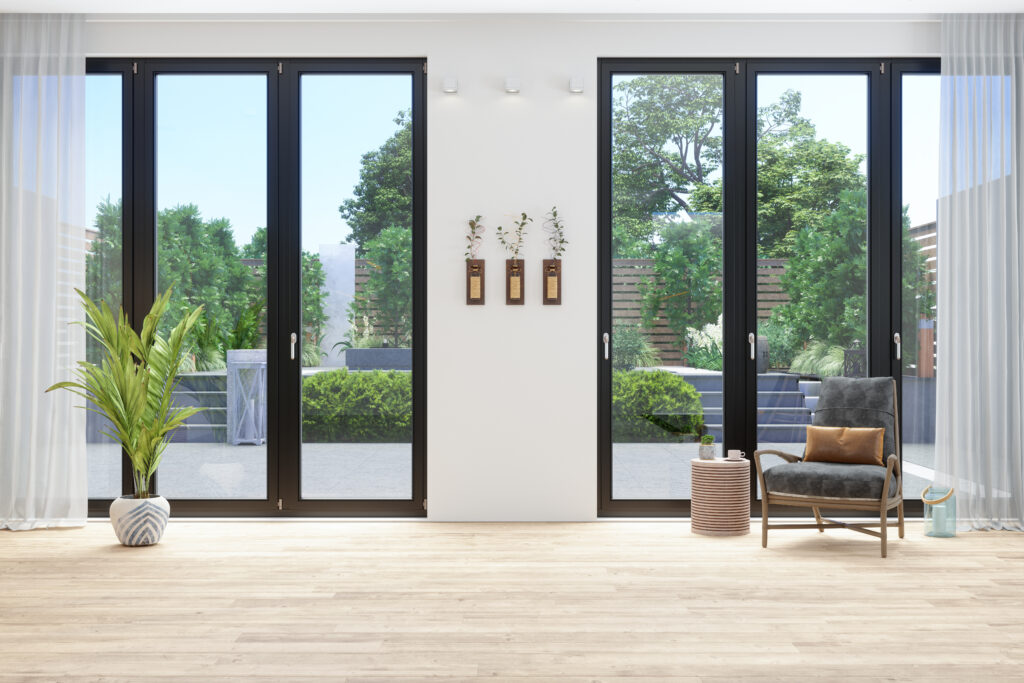
Despite some drawbacks, the major differences between sliding and traditional windows are largely aesthetic. There are styles of homes and areas of houses where a sliding window is just the thing. They look best in places that are wider than they are tall, like the walls of a ranch house, and if they’re expanded to the size of a window wall, they can go well with a variety of house styles. These window walls almost always open to patios and backyards and aren’t seen from the street.
If you need more information when it comes to sliding vs. traditional windows, look us up at Instagram and Facebook.