Window design is crucial when it comes to your interior comfort. This is because windows are the main mediators between your inside spaces and the outdoors. A strategic window design will keep indoor temperatures stable, provide natural illumination, and help keep unwanted noises out.
Climate control
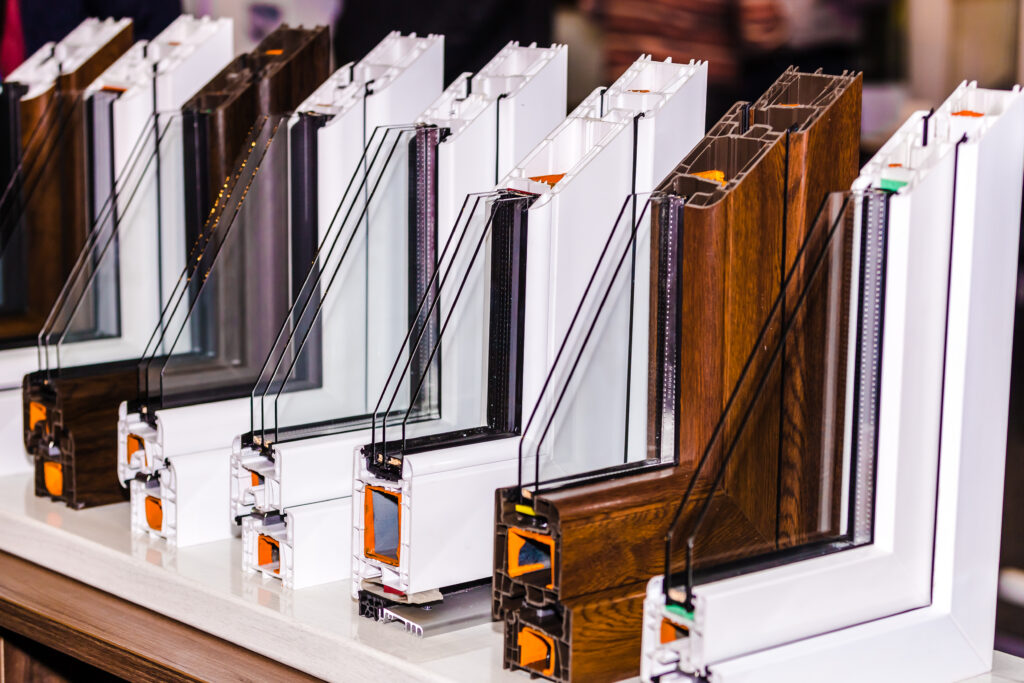
Look for double- or triple-pane windows with low-emissivity coatings. These will reflect heat and keep the inside of your home cool in the summer. During the winter, they’ll provide the necessary insulation to keep warm air from escaping.
You’ll also discover windows that have gas between the glass panes. This is to reduce thermal transfer. Choose ones with argon or krypton gas for the best results.
Even the window frame material affects your interior comfort. Wood, composite, and vinyl frames are all better than standard aluminum at reducing drafts and condensation.
Air ventilation
How a window opens will directly influence its ability to provide natural ventilation and passive cooling. Casement and awning styles swing outward. This allows them to catch the breeze and direct it into your home. As a result, you’ll enjoy maximum airflow. Awning-style windows also provide ventilation during light rain.
Double-hung windows offer a convection effect since both the top and bottom sashes can open simultaneously. The warm air will escape through the top while cool air comes in at the bottom.
You can create cross ventilation by placing windows across from each other. This creates a natural airflow without the need for mechanical systems.
Noise reduction
Blocking unwanted noise contributes to your interior comfort. Laminated glass windows include a layer of polyvinyl butyral plastic between the two layers of glass. This extra layer functions as a shock absorber that dampens vibrations from low-frequency noises. This includes traffic and airplanes.
Windows that use different thicknesses of glass in their panes help disrupt sound waves at different frequencies. This prevents sound from clearly traveling through.
Double- and triple-pane windows do a good job of reducing noise, too. Multiple panes of glass slow noise transmission.
Orientation
The direction in which a window faces changes the interior temperature as well as the quality of light in a room. South-facing windows provide solar heat during colder seasons. North-facing windows offer consistent, glare-free, soft light during the day. East-facing ones capture the morning sun, while west-facing windows are known for intense afternoon heat and glare.
By carefully considering all your window style and placement options, you’ll be able to find ones that keep your interior spaces comfortable. You can also find a local window expert to help you choose the right ones for your needs by visiting TheHomeMag Marketplace. Make sure to follow us on Facebook and Instagram for additional window design ideas and more.