From classic and cozy to modern and sleek, there are so many window designs available for home builders and renovators. If you’re replacing windows or choosing them for a new construction project, you’ll have plenty of options to truly capture the essence of your dream home.
Why replace windows?
Windows typically last 10-30 years, so the ones on homes built in the 1990s and early 2000s are reaching the golden age for a replacement. Material and technology improvements have dramatically changed the way modern windows function, regardless of their aesthetic style. Modern windows are more energy efficient, offer better insulation and noise reduction and are generally easier to clean and maintain.
Improvements to seals, glass, and frame materials have all made new windows far better than windows built 10-20 years ago. So, if you’re looking for good reasons to upgrade beyond style, you have plenty!
Classic window styles
Traditional windows give a historic or vintage charm to any abode. They include double-hung windows with two vertically sliding sashes. They’re most common in Victorian-style homes.
Another classic option is casement windows, which open outward. This offers enhanced airflow and a chance to enjoy gorgeous nature views.
Bay and bow windows are another classic choice that extends from the building, creating a nook inside. You can use the nook to create a focal seating area and enjoy the view or use it for extra storage.
One of the biggest distinctions between classic and modern windows is the fact most classic windows have grids, panels that run between them to create a grid-like look. Modern styles lean favorably toward clear panes.
Modern window styles
A modern window can take any form, but clean lines with solid panes and minimal frames are the most popular. Sliding windows are one popular modern style that features two panes. One slides past the other when it opens, creating a seamless transition from indoors to outdoors.
Picture windows are large windows designed to create a natural portrait of the outdoors. They’re perfect in large spaces that have great views that should be incorporated into the home’s design.
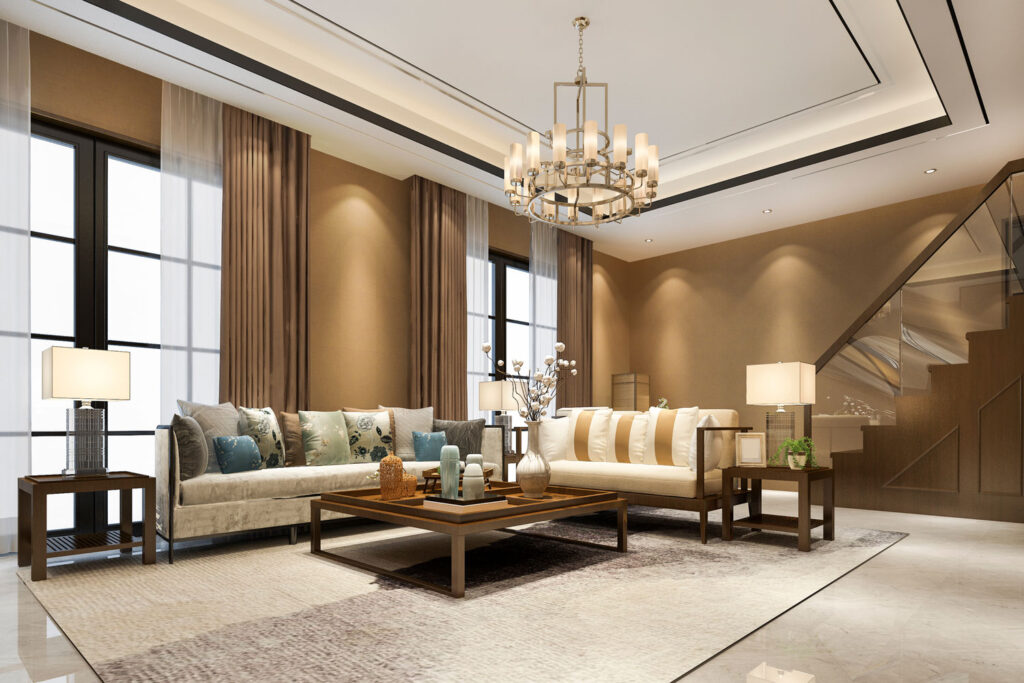
Floor-to-ceiling windows are also a modern style that allows you to replace a wall with windows. They could be combined with a floor-to-ceiling sliding door that either moves left to ride or slides upwards with a button.
How to choose the right windows
Consider your design preferences, then set a budget. Replacing old windows can be expensive, but you can save money if you keep the size the same and minimize construction costs. If you want to overhaul your space, take advantage of natural light by investing in larger windows that allow for as much sun as possible.
You can also consider simply swapping out older-looking windows with more modern panes, leaving the frame in place. This is a cost-effective strategy that can still have a big design impact.
For more home and gardening tips, follow us on Instagram or Facebook!