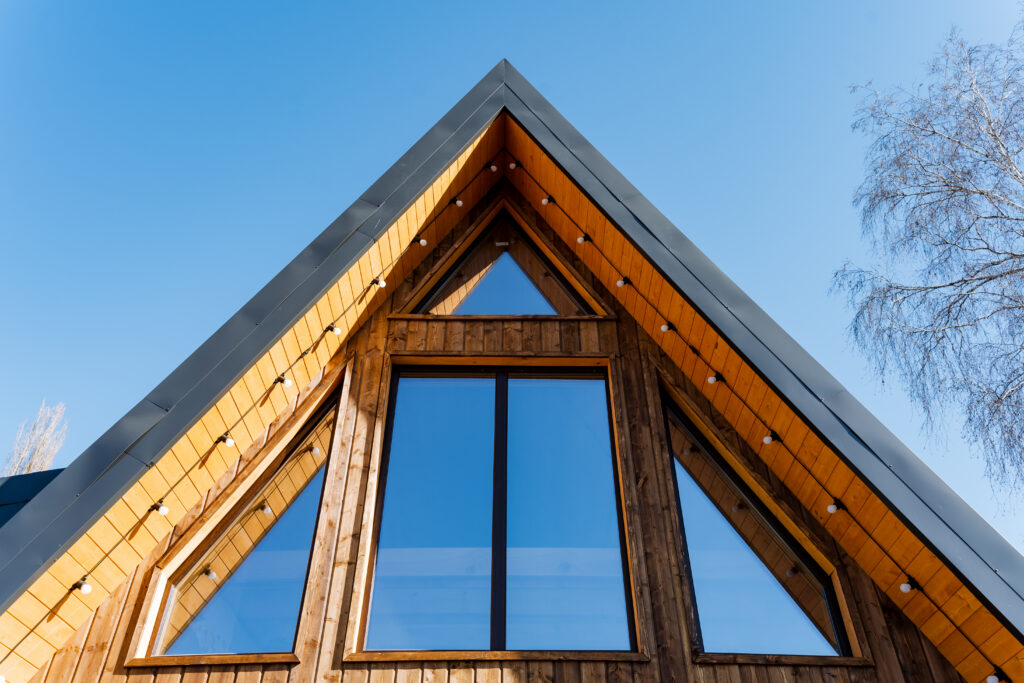
Windows are an important part of home design. They allow natural light to come in, you can open them to achieve ventilation, and they add to the aesthetics of a home. During the home design process, the placement of windows is often something that people overlook. Thoughtfully placing your windows in key areas can add value whereas improper planning can lead to inadequate lighting, problems with privacy, and drafts.
Prioritization of natural light
A lot of homeowners consider the placement of their windows at the end stage of planning. In fact, it’s important to think about natural light at the very beginning of the process. Consider how light moves across your property. A morning room should have light first thing at the start of the day. The main living area should experience substantial light throughout a large portion of the day. In areas of the home that have minimal lighting, use large windows to brighten the space.
The quality of sunlight
Sunlight quality will vary throughout the course of the day. For example, mid-afternoon sun tends to be much brighter than evening sun. South-facing windows in your home will provide consistent light as well as warmth, which is something to keep in mind. East-facing windows will experience gentler morning sun. West-facing windows see harsh afternoon sun as well as excessive heat during the spring and summer months. Lastly, your north-facing windows experience soft light, which is ideal for bedrooms.
Thinking about privacy
While the placement of a window may provide excellent lighting, it may not be ideal regarding privacy. Try to minimize the use of windows in areas of the home that directly face a neighbor’s home. This is especially helpful if your neighbor has windows in those locations as well.
You can also use frosted glass for privacy in bathrooms or kitchens. Window treatments are an option but typically prevent natural light from coming in. Raising the height of the windows allows light in without having to expose your entire window to the open room.
Don’t choose too many windows
Windows are a great way to support natural lighting and ensure ample ventilation. However, installing too many of them in one area can cause comfort and efficiency issues. Having windows directly across from one another can result in cross breezes that make you feel chilly and uncomfortable. You may find yourself running your HVAC system more often, which leads to higher energy bills and frequent repair needs.
Carefully plan the windows in your home with ideal comfort, aesthetics, and home value in mind. Gain some inspiration by following us on our Facebook and Instagram pages. Use the knowledge of a professional in your area to ensure optimal placement of your windows.