Ohio is home to beautiful native trees that include flowering dogwoods, sugar maples, northern red oaks, white oaks, and classic Ohio buckeyes. Once the snow melts, you might look forward to spending time with your family and friends outside. Before you begin checking out landscaping tips to get your yard ready for entertaining, check your trees and shrubs for signs of insect damage. This damage can occur in any season. Find out what to look for and what these signs mean.
White spots
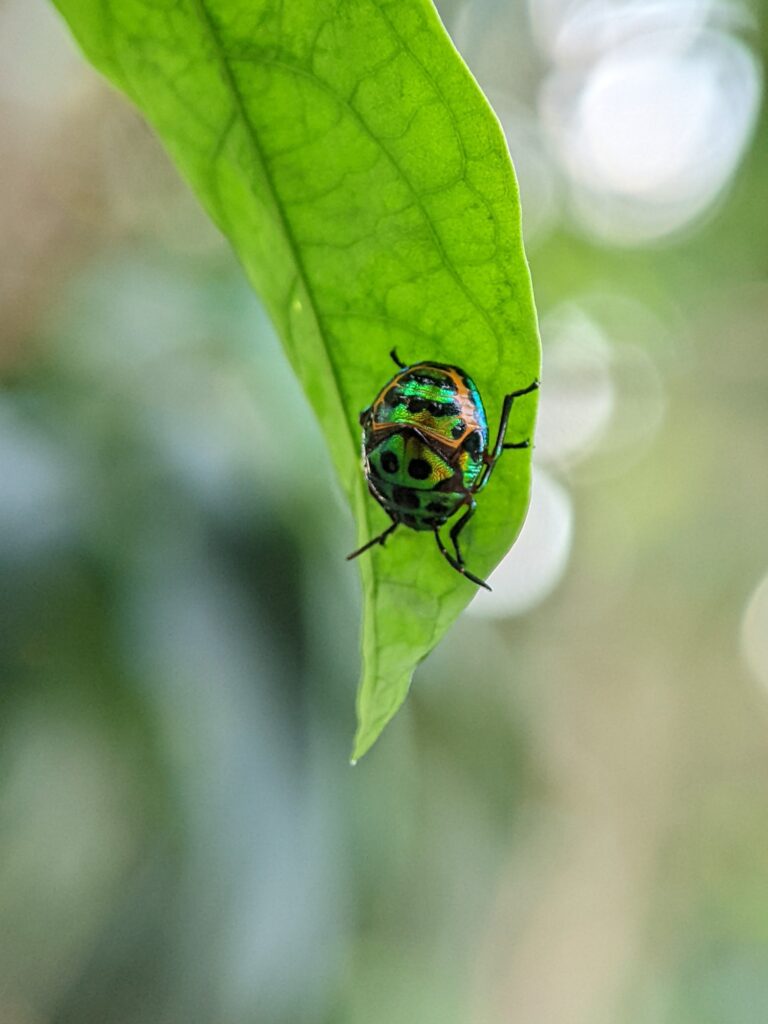
Look over your shrubs and trees for white spots. While these spots could be signs of mold or mildew, they may also indicate the presence of bugs. Scale insects attack your trees and keep them from thriving. The bugs can also attack shrubs. Scale insects are usually quite small, but they act as parasites. Not only do they take away nutrients from the inside of the plants, but they also strip the bark from the outside.
Chewed leaves
Now is a good time to look for chewed leaves or leaves that have small holes. You may find that some leaves look healthy and natural while others nearby look jagged or ragged. Weevils are some of the more common bugs found around Cincinnati. These bugs feed on the leaves and can cause other types of damage to your shrubs and trees. A local company like Creech’s Lawn & Landscape or White Oak Gardens can help you treat the trees and keep the insects from coming back.
Damaged foliage
Most trees and shrubs have foliage, which are the leaves that grow from the trunk or branches. In addition to chewed leaves, you need to look for signs of foliage damage such as:
- Yellow spots
- Leaves that don’t grow as fast as others
- Dull leaves
- Foliage that looks strange or distorted
There are just some of the signs that your trees need help. If the foliage looks off or distorted compared to how it looked last year, you may have an aphid infestation. Mites attack the leaves and take away their needed nutrients, which makes the leaves look dull less bright and shiny than they were before.
If you see yellow spots or notice that some leaves look much smaller than others, there are a few possible culprits. The issue may occur because the shrubs and trees do not get enough sunlight or water. It can also happen if the soil is bad or lacks nutrients. Always consult a professional, though, as these signs can also indicate an insect infestation.
Whether you need landscaping tips for summer or simply want to make sure your trees and shrubs are healthy, you can find help online. Look over your lawn for any of the issues above to see if you have an infestation on your hands. Follow TheHomeMag on Instagram or check us out on Facebook for more help to care for your landscape.